Easy Guide For Everyone Who Would Love To Shoot Film But Not Sure How To Start
If you haven’t studied photography but feel drawn to the beauty of analogue, you might be unsure where to begin. As a film photographer, who have started her journey more than 2 decades ago, I often get questions from clients and friends about how to start with analog photography, so I thought it could be helpful to share some insights with everyone who feels drawn to the aesthetics of film photography.
Shooting with film can be an enriching experience, allowing you to slow down, appreciate the art, and capture stunning moments in your everyday life, travels, or with your loved ones. Here’s a guide to help you get started with 35mm film photography, whether you’re a complete beginner or already have some experience with digital cameras.
1. For Those Who Are Not Familiar with Any Camera Settings at all
If you have no experience with camera settings, the best way to start is with easy point-and-shoot film camera for beginners below. These cameras are simple, affordable, and require minimal technical knowledge. Some models can be found for as little as $20-50, while premium options can go for hundreds or even thousands of dollars.
Why choose a point-and-shoot camera?
- Ease of Use: Most point-and-shoot cameras have automatic settings, meaning you just need to focus on composition and lighting.
- Portability: They are lightweight and easy to carry, making them perfect for capturing spontaneous moments.
- Sharp Images: Many point-and-shoot cameras have a fixed high aperture (around f/9 or higher), resulting in a greater depth of field and sharper images, especially in good lighting conditions.
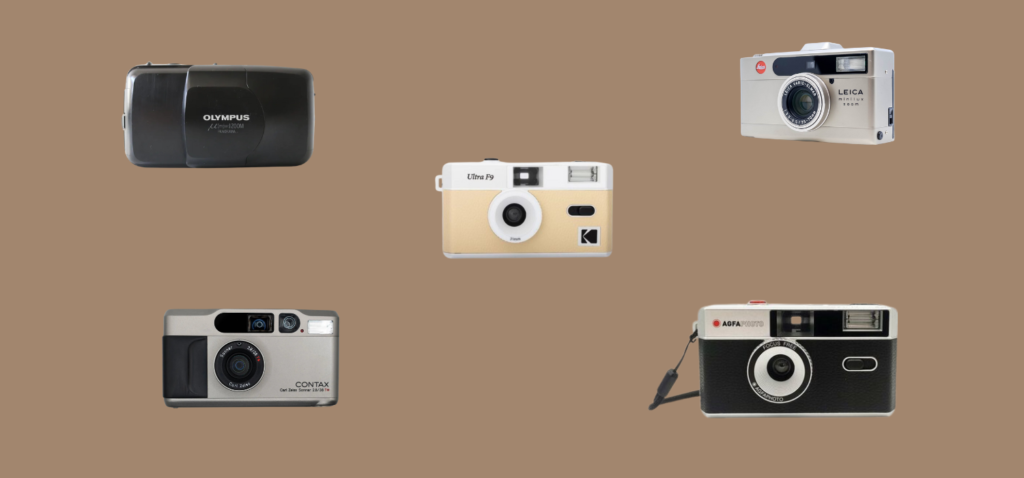
Popular point-and-shoot cameras: Canon SureShot, Olympus Mju-II, and Contax T2, Leica Minilux for those who are willing to spend money on. Budget friendly options to consider: Kodak Ultra 9, AgfaPhoto, Kodak Ektar H35, Polaroid etc. These are great choices if you want a hassle-free experience while exploring analog photography.
Tip: Ask your parents, grand parents and their friends if they don’t have any old film camera somewhere in their cabinet. I wouldn’t be surprised if they do.
2. For Those Who Have Basic Photography Knowledge and Want to Have a More Control over Final Photo Results
If you already understand the basics of ISO, shutter speed and aperture from using a DSLR or mirrorless camera, transitioning to a SLR (Single-Lens Reflex) film camera is a great next step. These cameras give you manual control over your settings, allowing you to be more creative and achieve looks you aim for.
I got my very first SLR in 2004 and I still have it, shoot with it and kind of love it. It’s lightweight and the photos from it are pretty sharp too. My first kind of film love.
Why choose an SLR film camera?
- More Control: Unlike point-and-shoots, SLRs allow you to adjust aperture, shutter speed, and focus manually.
- Better Lens Options: You can use interchangeable lenses to achieve different effects, such as a shallow depth of field for portraits or a wide-angle for landscapes.
- Versatility: Whether you want to shoot fast-moving subjects, low-light scenes, or artistic compositions, an SLR gives you the flexibility to do so.
Some great beginner-friendly SLR film cameras include for example the Canon AE-1, Canon 1N (yep I am a Canon girl), Nikon FM2 or Pentax K1000 and more. These cameras provide a balance of manual control and ease of use.
3. Choosing the Right Film
Regardless of the camera you choose, selecting the right film is key. Here are some factors to consider:
- ISO (Film Speed):
- ISO 100-200: Best for bright daylight conditions.
- ISO 400: A versatile choice for both indoor and outdoor shooting.
- ISO 800-1600: Ideal for low-light situations but results in more grain. You can gen even ISO 3200 and it’s Ilford Delta 3200.
- Color vs. Black & White:
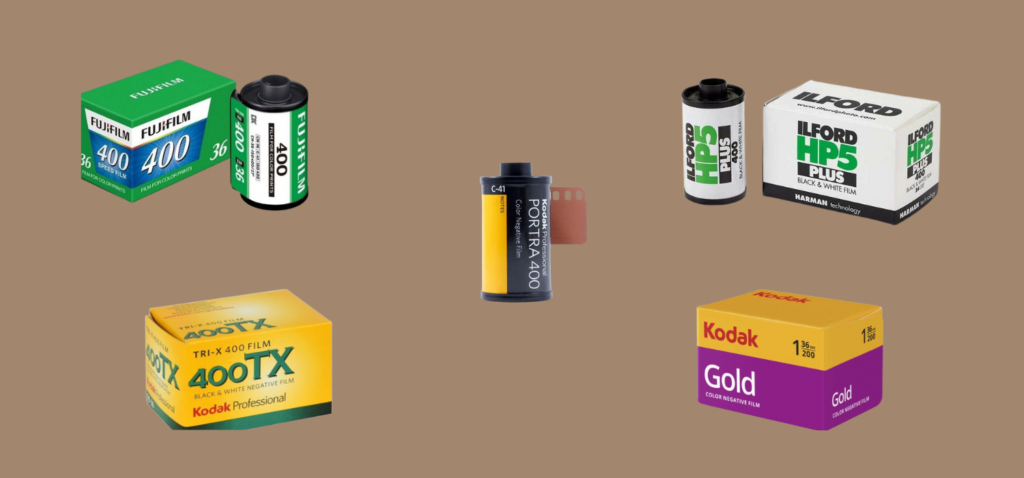
- Color films like Kodak Gold or Portra 400, Fujifilm Superia X-TRA 400 provide rich, vibrant colors.
- Black & white films like Ilford HP5+ or Kodak Tri-X 400 give a classic, timeless look.
4. Where to Develop Your Film
Once you’ve shot your roll of film, you’ll need to develop it. Here are some options:
- Local Film Labs: Many cities still have professional film labs that offer high-quality developing and scanning services.
- Mail-in Services: If you don’t have a local lab, you can send your film to services like The Darkroom (US), Carmencita Film Lab (Europe) or Film Store in Prague.
- DIY Development: If you want to dive deeper, you can learn to develop films at home with simple chemicals and a film scanner but that’s another chapter which needs skills
5. Tips for Getting the Best Results
- Understand Light: Since film is less forgiving than digital, always pay attention to natural light and try to shoot in well-lit environments.
- Composition: You can follow a golden ration. But You can try to play with layers, put subject in the centre or play with combination of colors of object in a viewfinder.
- Keep a Notebook: Jot down your camera settings and film type to understand what works best for you.
- Experiment: Try different films, lenses, and techniques to discover and find your style.
If you found this guide helpful, I’d love to hear about your first analog photography experience! Drop a comment below or reach out if you have any questions. You can also explore my analog wedding portfolio to see the beauty of film photography and get inspired or find 7 Reasons Why Film Wedding Photography is Better Than Digital . If you’re ready to start your own journey, feel free to contact me for personalized tips and advice!
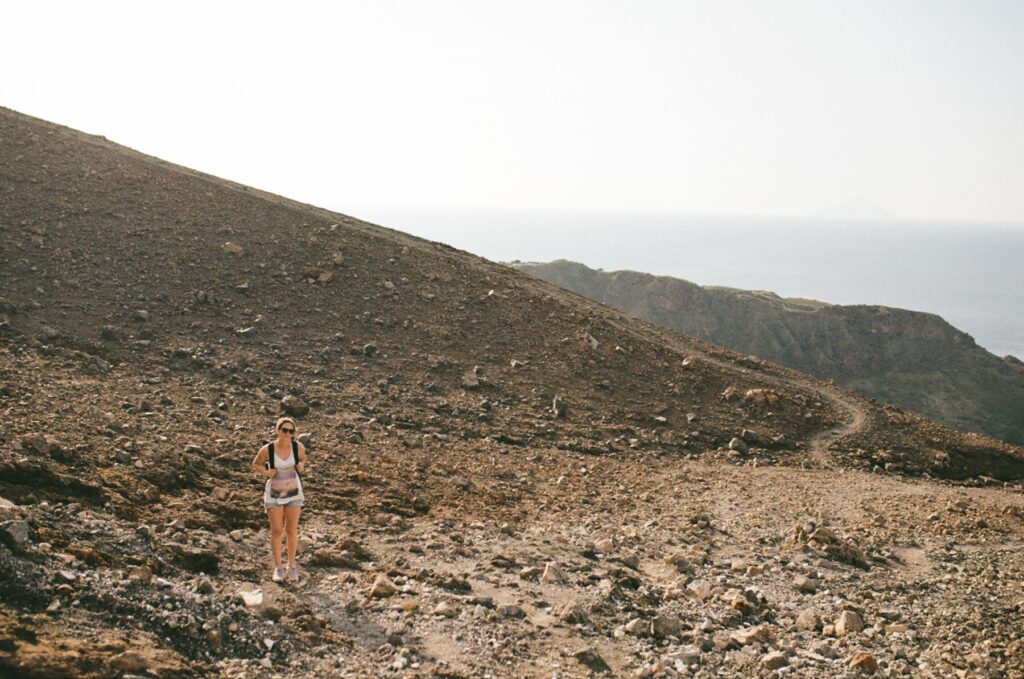
Final Thoughts on How to Start with Analog Photography
Starting with analog photography is an exciting journey that teaches patience, creativity, and an appreciation for the art of capturing moments for sure. I’ve started my more than 2 decades ago, yay. And feeling so grateful about it.
Whether you start with a simple point-and-shoot or dive straight into an SLR, the key is to have fun and experiment. Film photography is about embracing imperfections and enjoying the process of creating something truly unique, connect with people or nature or just observe everyday life objects. Thanks to photography I am literally I am living my dream.